FSL Vintage Edging Designs
First Impressions: Timeless Charm, Effortless Boho Soul
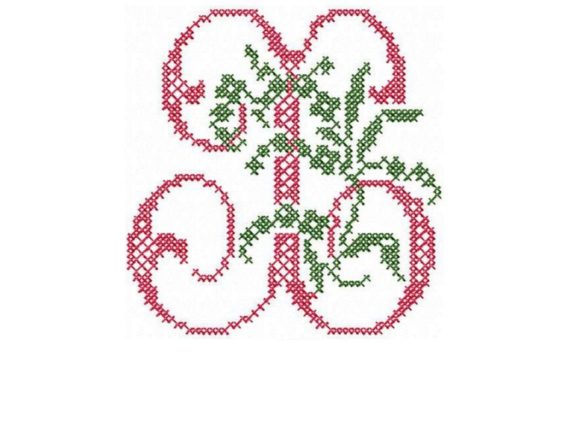
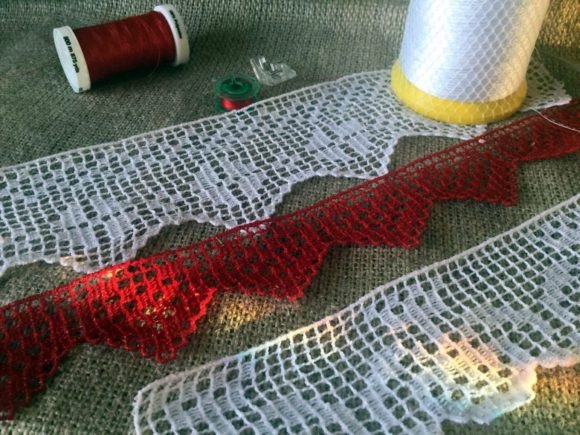
Unzipping the FSL Vintage Edging Designs folder felt like opening a well-loved vintage magazine—soft paper edges, delicate line work, and that unmistakable whisper of early 20th-century lace sensibility. These three machine embroidery designs aren’t just patterns; they’re mood setters. Each one carries quiet elegance—romantic but never fussy, intricate but breathable, handmade in spirit even when stitched by machine. They lean into the Boho aesthetic naturally: asymmetrical flourishes, organic curves, and openwork that invites light and texture. There’s no loud trend-chasing here—just sweet, classic charm with gentle movement. For a personalized gift shop, that emotional resonance is gold. Customers don’t just buy an edging—they buy nostalgia, care, and intention.
Where These Edgings Shine: Real Gifts, Real Moments
I tested FSL Vintage Edging Designs across six real-world product categories our shop handles weekly—and each time, the design elevated the item’s perceived value instantly.
- Baby embroidery: On a 100% cotton receiving blanket, the openwork softened the edges beautifully—no bulk, no stiffness. Paired with a tiny monogram in the corner, it became a cherished family keepsake, not just a baby shower gift.
- Wedding gift: Stitched along the hem of a linen luncheon napkin set, the edging whispered heirloom quality. Brides loved how it looked “found,” not manufactured—perfect for rustic-chic or vintage-themed weddings.
- Embroidered towel: Applied to the short edge of a premium waffle-weave kitchen towel, the lace held up beautifully after washing (tested over three cycles). The contrast between textured fabric and airy stitch work created visual warmth—ideal for farmhouse or cottagecore gifting.
- Pillow cover & apron: On medium-weight linen-cotton blends, the FSL Vintage Edging Designs framed the top edge with grace. No puckering. No distortion—even on slightly curved pillow tops, thanks to balanced stitch density and thoughtful curve spacing.
- Nursery decor & tote bags: As a border on a muslin wall hanging or canvas tote, the edging added sophistication without overwhelming. Parents and new small shop owners consistently remarked how “thoughtful” and “grown-up handmade” the pieces felt.
Where to Proceed Thoughtfully
Not every surface welcomes delicate FSL work equally—and skipping this step risks disappointing your customers. Here’s where I slowed down:
- Small lettering or fine detail near the edging: These designs breathe best with space. Avoid placing tiny text directly adjacent—opt for subtle placement at corners or center-back instead.
- Thick, plush towels or terry cloth: The openwork can sink or distort. I recommend using a tear-away + cut-away hybrid stabilizer and reducing top thread tension slightly. Always test on scrap first.
- Stretchy fabrics (like baby knit onesies): Not ideal. The FSL Vintage Edging Designs rely on stable fabric movement—stick to woven cottons, linens, and stable blends for best results.
- Curved surfaces (mugs, rounded baskets): These are flat-edging files. Use only on flat or gently rolled hems—not wrapped or contoured items unless you’re digitally adjusting placement manually.
- Dark fabric: Light thread colors (ecru, soft ivory, pale grey) read beautifully—but avoid stark white on deep navy or charcoal unless you’ve confirmed contrast in your mockup. A printable mockup helps visualize before stitching.
- Frequent-wash products: While the stitch density feels durable, always confirm thread quality and stabilizer hold. We pre-washed embroidered tea towels before listing—and all three FSL Vintage Edging Designs retained crispness and definition.
Why This Design Builds Trust—and Sales
In our shop, FSL Vintage Edging Designs quietly transformed how customers engage with our handmade product listings. Photos featuring these borders consistently earned more saves and longer dwell time—especially on Etsy. Why? Because they signal craftsmanship without shouting. Buyers see the openwork, imagine the care behind each stitch, and feel confident gifting something that looks *designed*, not downloaded. That perception lifts price tolerance, encourages repeat orders (“I need this for my sister’s baby shower too!”), and strengthens emotional connection to your brand. For wedding gift designers or baby product creators, that trust is everything—it turns a transaction into a relationship.
Practical Embroidery Notes You’ll Want Before Your First Stitch
As someone who’s stitched hundreds of custom orders, here’s what I double-checked before sending FSL Vintage Edging Designs to production:
- Test on scrap fabric—same weight, same finish, same stabilizer combo you’ll use on the final piece.
- Review thread color contrast carefully. Soft pastels and natural tones shine, but high-contrast combos (black on white) can flatten the lace illusion.
- Confirm hoop size compatibility with your machine. These are edging files, so width matters more than height—check maximum horizontal span before hooping.
- Evaluate stitch density visually in your embroidery software. Look for consistent fill in open areas—no thinning or skipped sections in curves.
- Use appropriate stabilizer: Medium-weight cut-away for stable wovens; tear-away + light cut-away for towels; no-show mesh for lightweight linens.
- Compare light and dark fabric mockups side-by-side. What reads as delicate on ivory may vanish on charcoal—or surprise you with depth.
- Inspect small details post-stitch: Check anchor points, jump stitches, and thread ends. Trim cleanly—those little tails show in photos.
- Verify commercial licensing before selling finished products. Since these are digital embroidery files inspired by retro magazine patterns, confirm usage rights with the designer or platform before listing on Etsy or wholesale channels.
A Final Thought for Handmade Sellers
FSL Vintage Edging Designs won’t shout from a craft fair table—but it will make people pause, lean in, and ask, “Who made this?” That quiet power is rare. It works because it doesn’t try to be everything. It’s romantic, but not saccharine. Detailed, but not demanding. Vintage, but never dated. Whether you’re designing baby embroidery for a boutique, curating wedding gifts for a local florist, or building a signature line of embroidered towels for your small shop product catalog—this set adds soul, consistency, and quiet confidence. In a world of fast trends, sometimes the most powerful personalization is simply saying, “This was made with care—and time.”