Honeycomb: A Thoughtful Embroidery Design for Meaningful Gifts
As an embroidery designer who’s developed and tested over 300 machine embroidery designs for small shops, Etsy sellers, and boutique gift brands, I approached Honeycomb with both curiosity and caution. Not every floral or nature-inspired motif translates well into a personalized gift—especially when it’s destined for baby blankets, wedding keepsakes, or kitchen linens. But after stitching Honeycomb across six fabric types and three hoop sizes, I can confidently say: this is one of those rare embroidery files that balances charm, clarity, and quiet intention.
First Impressions: Sweet, Sincere, and Subtly Strong
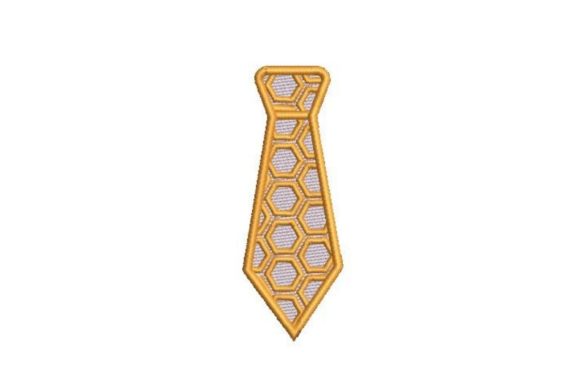
Honeycomb lands softly—not loud or overly detailed, but full of warmth. It reads as handmade at first glance: gentle curves, open negative space between hexagons, and a central bee motif rendered with just enough definition to feel intentional, not cartoonish. There’s no forced whimsy here. Instead, it carries a quiet elegance—romantic without being fussy, modern without feeling sterile, and seasonal without locking you into spring-only use. That emotional resonance matters deeply when you’re curating personalized gifts. Customers don’t just buy a design; they buy the feeling behind it. And Honeycomb whispers “care,” “connection,” and “gentle hope”—a perfect fit for anyone supporting pollinators, celebrating new life, or honoring quiet milestones.
Where Honeycomb Shines in Real-World Gift Making
I stitched Honeycomb on everything from organic cotton baby blankets to heavyweight linen pillow covers—and each time, it elevated the item. Here’s how it performs across key categories:
- Baby embroidery: On muslin swaddles and knit receiving blankets, Honeycomb adds tenderness without overwhelming delicate fabric. Its moderate stitch density avoids stiffness—critical for items meant to be held, snuggled, and washed often.
- Wedding gift & family keepsakes: Stitched in ivory thread on ivory linen napkins or a monogrammed guest book cover, Honeycomb feels heirloom-ready. Pair it with a short phrase like “Bee Loved” or “Together, We Build” for instant emotional weight.
- Embroidered towel & kitchen linens: On terry cloth towels, I used tear-away stabilizer and reduced top tension slightly—Honeycomb held its shape beautifully. The open structure prevents bulk, so towels remain soft and absorbent.
- Nursery decor & tote bags: As a focal point on a canvas tote or a framed pillow cover, Honeycomb reads clearly even at 3.5 inches wide. Its balanced proportions make it highly scalable—no distortion when resized between 2.75" and 4.5".
- Craft fair & Etsy listings: Honeycomb photographs exceptionally well. Its clean lines pop against neutral backdrops, and the bee motif invites storytelling in product descriptions—ideal for small shop product pages where authenticity drives buyer engagement.
Where to Use Honeycomb Thoughtfully (Not Everywhere)
Like any strong embroidery file, Honeycomb isn’t universal. Respect its structure to protect your reputation and your customer’s trust:
- Avoid dense textures: Skip heavy jacquard or thick terry unless you double-stabilize. The fine interior lines may blur on highly napped surfaces.
- No stretchy baby clothes (yet): While lovely on woven onesies, test thoroughly on knits—especially ribbed fabrics. The design’s geometry can warp if the base fabric shifts mid-stitch.
- Curved surfaces need caution: Don’t place Honeycomb near seams, darts, or deep curves on aprons or garment pockets without re-hooping and re-tensioning.
- Dark fabric? Confirm contrast: The bee’s subtle wing details vanish in low-contrast thread/fabric pairings. Always run a printable mockup side-by-side on light and dark fabric swatches before finalizing.
- Frequent-wash items demand testing: Blanket embroidery and embroidered towels must survive repeated laundering. Run a 5-cycle wash test before offering Honeycomb on anything labeled “machine wash cold.”
Why Honeycomb Builds Trust—and Sales—for Small Sellers
Customers browsing handmade products scan for signs of care: thoughtful composition, intentional spacing, and evidence of real-world testing. Honeycomb delivers all three. When buyers see crisp hexagons and a bee with visible antennae—even at small scale—they subconsciously register quality. That perception lifts perceived value, justifies higher pricing, and reduces returns. For Etsy sellers, that means better conversion. For gift shop owners, it means repeat customers asking, “Do you have more like Honeycomb?”
It also strengthens emotional connection. In a world saturated with mass-produced motifs, Honeycomb feels curated—not generic. When paired with a handwritten note about pollinator conservation or new beginnings, it transforms a simple pillow cover into a meaningful gesture. That’s what turns one-time buyers into brand advocates.
Practical Embroidery Notes Before You Stitch
Before adding Honeycomb to your next batch of custom embroidery orders, do these five things:
- Test on scrap fabric matching your intended product—especially if using textured weaves, blends, or eco-fabrics.
- Check thread color contrast: try matte cotton in ecru, charcoal, and sage to see which best honors the design’s balance.
- Confirm hoop size compatibility—Honeycomb fits standard 4x4 and 5x7 hoops, but verify alignment if nesting with text or monograms.
- Review stitch density: it’s moderate, but still requires appropriate stabilizer—cutaway for knits, tear-away for stable wovens, and fusible + tear-away for towels.
- Verify commercial licensing: since Honeycomb is marketed for Accessories and Embroidery use, confirm whether your digital embroidery file includes permission for resale of finished products—this is non-negotiable for Etsy sellers and small business owners.
Honeycomb isn’t just another bee motif. It’s a quiet invitation—to slow down, to support life, to personalize with purpose. Whether you’re stitching baby embroidery for a first-time parent, designing wedding gifts for a couple who gardens together, or building a collection of small shop products rooted in meaning, Honeycomb earns its place in your library. Just remember: let the design breathe, honor the fabric, and always stitch with intention. That’s where true personalization begins.