Mahjong Red Tile Embroidery Design Review
A First Impression: Bold, Clean, and Culturally Resonant
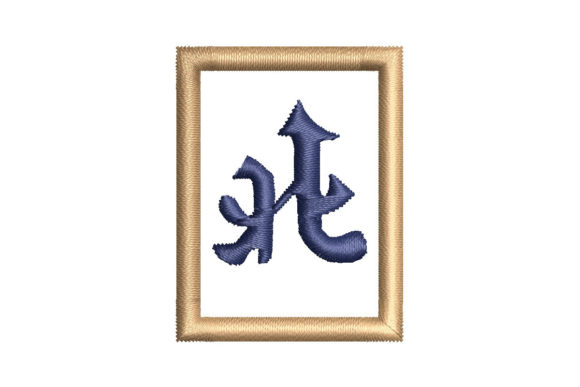
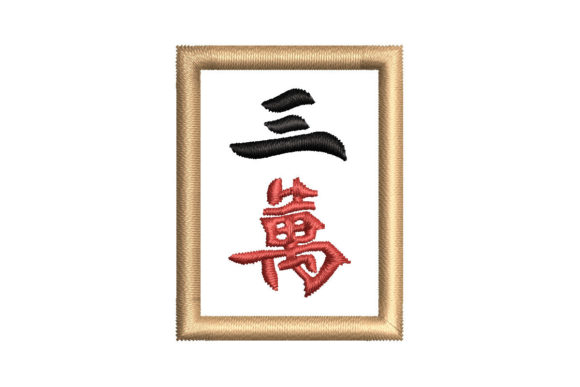
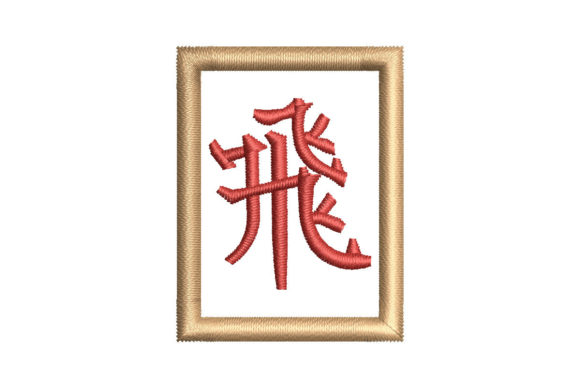
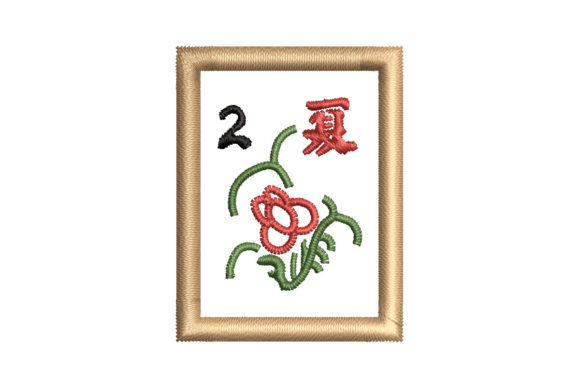
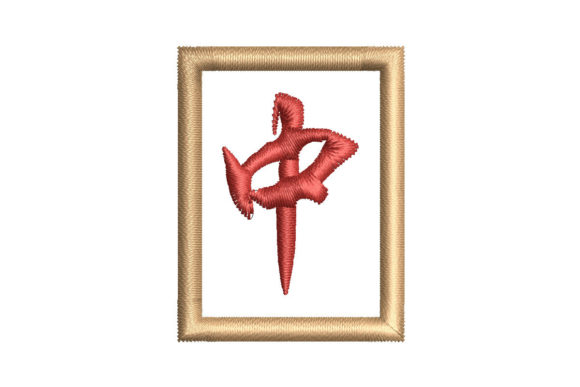
As an embroidery designer who’s developed collections for boutique apparel brands over the past 12 years, my first glance at Mahjong Red Tile stopped me mid-scroll. It’s not just another game-themed motif—it carries a confident visual personality: crisp red-on-negative-space, strong graphic rhythm, and subtle cultural nuance without cliché. The design feels bold yet minimalist, playful but refined, and distinctly non-trend-chasing. Because the background is left unfilled (except for a clean border), it reads as intentional—not unfinished. That openness makes it incredibly versatile for custom apparel, especially when you want the garment’s texture or color to remain part of the story.
Why Mahjong Red Tile Works So Well on Sweatshirts & Hoodies
I pulled Mahjong Red Tile into my workflow immediately for a small capsule collection of neutral-toned sweatshirts and oversized hoodies. On heather grey fleece, the red pops with warmth—not harshness—while maintaining legibility at chest placement (approx. 3–4" wide). On pastel hoodies—think blush, sage, or oat—Mahjong Red Tile adds quiet sophistication, like a signature detail rather than a statement. And on charcoal or black garments? It gains unexpected elegance, especially when stitched in matte burgundy or deep crimson thread. The uncluttered negative space prevents visual fatigue—a real win for hoodie back designs or sleeve accents where dense fill stitches can overwhelm.
Real-World Placement & Fabric Considerations
In practice, Mahjong Red Tile shines in low-stretch, medium-weight applications: standard cotton-blend t-shirts, brushed-back fleece hoodies, structured denim jackets, and sturdy canvas tote bags. I tested it on ribbed fabric (a textured navy crewneck) and found the clean outline held beautifully—no bleeding or distortion—provided I used a lightweight cutaway stabilizer and reduced top tension slightly. On curved surfaces (like shoulder seams or tapered sleeves), I resized it to 85% and repositioned the hoop carefully; the minimal stitch density helped avoid puckering.
That said—Mahjong Red Tile isn’t ideal for ultra-fine knits or highly stretchy performance fabrics without significant digitizing adjustments. Its strength lies in its clarity, not flexibility. If you’re planning a commercial embroidery run for a small shop product, test it first on scrap fabric that matches your final garment’s weight, weave, and finish. Also confirm the Creative Fabrica embroidery file’s actual hoop size and recommended stabilizer type—details that directly impact stitch quality on dark apparel or fuzzy fleece.
Design Integrity Across Boutique Applications
What sets Mahjong Red Tile apart from generic game motifs is how consistently it supports brand identity. As a boutique brand or Etsy seller, consistency matters: whether it’s stitched on a limited-run hoodie, screen-printed onto a printable mockup for your Etsy listing, or scaled down for a lifestyle flat lay photo, Mahjong Red Tile retains its character. No pixelation, no muddy edges—just sharp, confident line work. That reliability translates directly to buyer trust. When customers see clean, professional embroidery across your product photos and physical items, they perceive higher value—even before reading your story or price point.
I’ve also used it as a subtle back-of-neck accent on relaxed-fit tees and as a coordinating patch on denim jacket pockets. Because it’s rooted in the Games category but executed with modern embroidery sensibility, it avoids feeling kitschy or dated. It reads as intentional curation—not random clip art.
Practical Designer Notes Before You Stitch
- Always test on scrap fabric—especially if using non-standard thread colors or blending metallics with matte reds.
- Review thread color contrast carefully: true red on black requires high-opacity thread; off-white on light heather needs brightness boost.
- Confirm hoop size and stitch density in the Creative Fabrica product details—this affects placement options and machine runtime.
- Compare placement options digitally first: chest, sleeve cuff, lower back, or pocket edge—each changes the garment’s visual balance.
- Check licensing terms before selling finished apparel—Creative Fabrica embroidery files vary in commercial use permissions, and Mahjong Red Tile is intended for both personal and commercial embroidery projects, but always verify.
- Inspect file integrity: Since the description notes “files are tested prior to release,” look for clean jump stitches, balanced underlay, and smooth satin borders—key for professional presentation.
Final Thoughts for Small Shop Owners & Creative Entrepreneurs
If you're building a handmade product line around thoughtful details—whether it’s cozy seasonal outfits, elevated streetwear staples, or giftable lifestyle merchandise—Mahjong Red Tile delivers more than decoration. It’s a conversation starter with restraint. It elevates a basic sweatshirt into something collectible. It gives an Etsy listing visual cohesion across thumbnails, mockups, and physical packaging. And because it’s rooted in recognizable symbolism (mahjong tiles) without leaning into caricature, it appeals across age groups and aesthetics—from Gen Z buyers drawn to retro-modern graphics to mature shoppers who appreciate subtle cultural references.
For embroidery shops offering custom apparel services, this design is a smart add to your digital embroidery file library: low-risk to digitize further, high-return in perceived value, and easy to pair with monochrome thread palettes. As a designer, I don’t reach for every Creative Fabrica embroidery file—but Mahjong Red Tile earned its spot in my go-to folder for boutique brand development. It’s not flashy. It’s focused. And in today’s saturated market, that kind of quiet confidence is exactly what makes apparel—and the people who make it—stand out.