Mahjong Tile Fei: A Smart Patch Choice for Small Business Branding
First Impression: Clean, Cultured, and Commercially Versatile
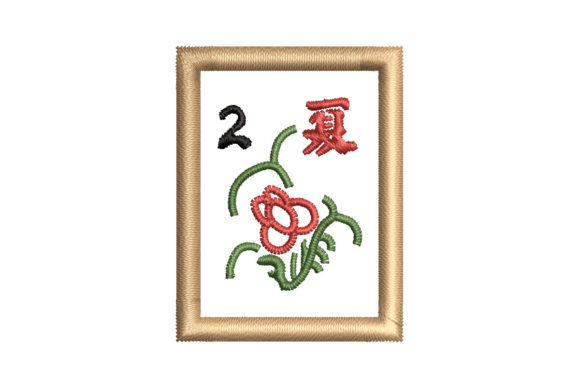
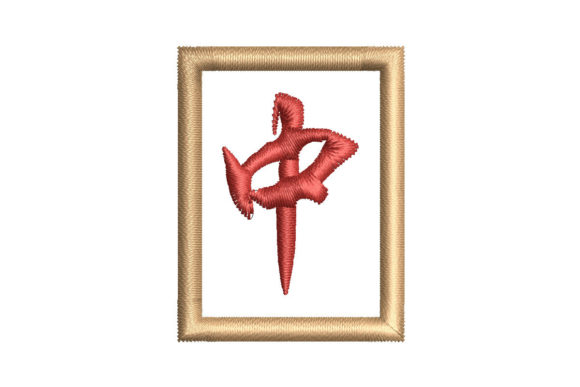
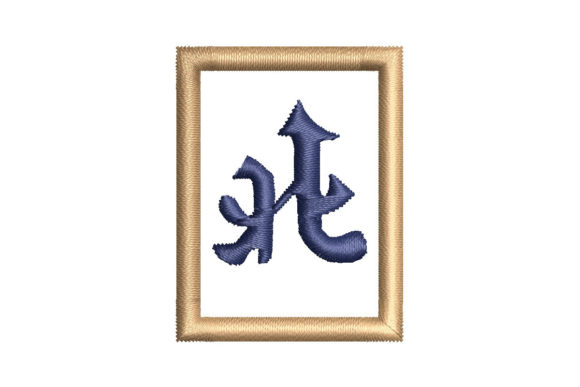
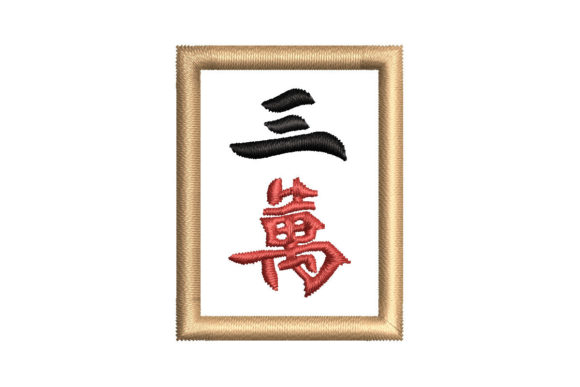
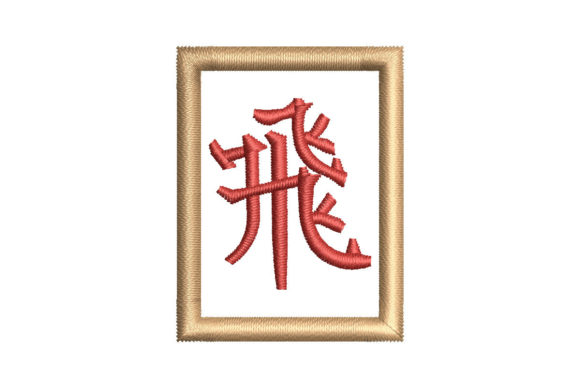
As an embroidery designer who’s digitized over 2,000 small business assets—from bakery aprons to boutique tote bags—I immediately recognized Mahjong Tile Fei as more than a decorative motif. Its open background (with only a clean border filled) signals intentionality—not just aesthetic flair, but functional design discipline. It reads as elegant yet approachable: classic enough for a heritage florist or tea shop, playful enough for a board game café or creative studio. Unlike dense, all-over motifs, Mahjong Tile Fei carries cultural resonance without visual clutter—ideal for brands that value storytelling *and* scalability.
Real-World Performance Across Merchandise Types
In my studio, I test every machine embroidery design on actual production substrates before recommending it to clients. Mahjong Tile Fei excels in high-impact, low-footprint applications:
- Embroidered patches: The unfilled center reduces stitch density dramatically—cutting production time, thread cost, and stabilizer bulk. Perfect for iron-on or sew-on patches on denim jackets, canvas totes, or staff uniforms.
- Cap embroidery: At 2.5”–3”, the clean border and strong silhouette hold up beautifully on curved fronts—even on structured cotton twill caps used by local bakeries or pet groomers.
- Apron embroidery & tote bag design: Positioned on chest pockets or side panels, Mahjong Tile Fei adds subtle sophistication without overwhelming handmade product packaging or artisanal branding.
- Staff uniforms & work shirts: Its balanced proportions avoid looking cramped on sleeve cuffs or left-chest placements—critical for cafés, florists, and studios where professionalism meets personality.
- Etsy branding & boutique merchandise: Paired with minimalist typography in mockups, it reinforces a curated, intentional brand identity—especially when used consistently across product labels, gift tags, and packaging accents.
Where to Use Mahjong Tile Fei Thoughtfully
Even strong designs have context limits—and Mahjong Tile Fei is no exception. Avoid placing it:
- Below 1.75” on curved surfaces (e.g., toddler-sized caps or narrow belt loops), where fine border definition may blur;
- On heavily textured fabrics like bouclé wool or thick terry cloth without extra cutaway stabilizer;
- Directly over dark, non-stretch uniforms without testing thread color contrast—white or ecru thread can recede; navy or charcoal thread often lifts the design with richer presence;
- In high-wash-frequency items (e.g., restaurant aprons) unless paired with premium polyester thread and secure backing—always confirm the embroidery file includes underlay and proper satin stitch tension for durability.
Brand Identity Impact: More Than Just a Logo Accent
Small businesses thrive on recognition rooted in authenticity—and Mahjong Tile Fei delivers that quietly. It doesn’t scream “brand,” but invites curiosity: a subtle nod to tradition, strategy, and mindful craft. For a handmade soap brand or indie board game shop, it signals thoughtfulness without pretension. For a local café or florist, it adds warmth and distinction against generic script logos. Customers remember how a brand *feels*—and this design supports consistency across touchpoints: embroidered on staff aprons, printed on packaging mockups, stitched onto reusable tote bags, even laser-etched beside QR codes on product labels. That cohesion builds trust faster than any tagline.
Practical Embroidery Designer Notes for Commercial Use
Before launching Mahjong Tile Fei into production, run these checks—every time:
- Test in black and white first. Confirm legibility and balance without color distraction—especially critical for client approvals and printable mockups.
- Verify patch-size viability. Resize to your smallest intended application (e.g., 1.8” round patch) and inspect border integrity in stitch simulation software.
- Review thread color contrast on your target fabric swatches—not just on screen. Light threads on light fabric? Add a subtle outline or shadow effect if permitted by the file’s flexibility.
- Inspect spacing and density. Since the background isn’t filled, check that the border width provides enough visual weight at scale—and that inner negative space doesn’t trap lint or fray.
- Confirm hoop size compatibility. Does it fit comfortably within your most-used hoops (e.g., 4×4 or 5×7) without re-hooping mid-stitch? That affects turnaround for custom apparel orders.
- Test on real fabric + stabilizer combo. Run a sample on your go-to cap twill *and* your most common tote canvas—stabilizer choice makes or breaks crispness on loose weaves.
- Create a physical mockup for client sign-off—not just a digital proof. Texture, drape, and sheen change perception.
- Compare alongside existing design assets. Does Mahjong Tile Fei harmonize with your current logo, font system, and color palette—or does it need minor tweaks (e.g., stroke adjustment) for visual consistency?
- Confirm commercial licensing status. Since this is categorized under Games and Embroidery, verify usage rights explicitly cover resale of finished products (e.g., embroidered patches sold on Etsy or branded tote bags offered as customer gifts).
Final Thought: A Strategic Asset, Not Just a Design
Mahjong Tile Fei stands out because it bridges heritage and utility—it’s culturally grounded but commercially agile. For small business owners building authentic, scalable brands, it’s not just another digital embroidery file. It’s a versatile, low-risk, high-recognition element that works equally well on a hand-stitched apron for a ceramic studio or a batch of 200 embroidered caps for a pop-up game night. When chosen intentionally—and tested rigorously—it becomes part of your brand’s quiet confidence: professional without stiffness, distinctive without shouting, and handmade without sacrificing polish. That’s the kind of small business merch detail that turns first-time buyers into regulars—and makes your finished product feel like it was made just for them.