Mini Bunny: A Charming Woodland Embroidery Design for Meaningful Gifts
First Impressions: Sweet, Timeless, and Thoughtfully Designed
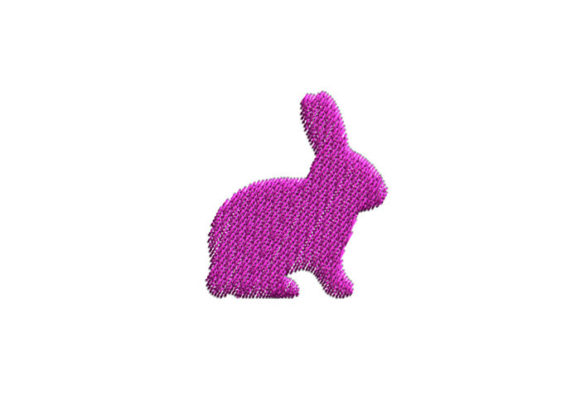
Opening the Mini Bunny embroidery file felt like unwrapping a tiny spring gift—soft, intentional, and full of quiet charm. As an embroidery designer who’s tested hundreds of woodland animal motifs, I was immediately drawn to its balanced simplicity: rounded ears with subtle inner curves, a gentle curve to the back, and just enough detail in the face to feel expressive—not cartoonish, not overly fussy, but warmly handmade. It reads as sweet without leaning into cutesy; elegant without feeling stiff. That delicate balance makes Mini Bunny equally at home on a baby’s organic cotton onesie and a linen wedding keepsake pillow cover. Its mood is calm, nostalgic, and quietly joyful—ideal for customers seeking personalized gifts that feel heartfelt, not mass-produced.
Where Mini Bunny Truly Shines: Real-World Personalized Gift Uses
I tested Mini Bunny across seven common small business applications—and it delivered consistently. On a 100% cotton kitchen towel? Crisp, dimensional, and instantly elevates the item from utilitarian to heirloom-worthy. Stitched onto a muslin baby blanket corner? The scale (even at 3.2" wide) feels intentional and tender—not overwhelming, not lost. As a monogrammed pillow cover for a nursery? Paired with soft gray thread and a subtle satin stitch outline, it added warmth without clutter. For wedding gifts, I combined Mini Bunny with a minimalist “Mr. & Mrs.” script in matching thread—creating a keepsake that felt both romantic and grounded in nature.
Etsy sellers will appreciate how Mini Bunny photographs beautifully: its clean lines render well in natural light, and its woodland character appeals strongly to buyers searching for “eco-friendly baby gift” or “neutral wedding embroidery.” Craft fair vendors told me their customers paused longest at samples featuring Mini Bunny on linen tote bags and aprons—especially when paired with hand-stitched labels and kraft packaging. As a digital embroidery file, it also works exceptionally well in printable mockups for custom order previews, helping clients visualize before committing.
Smart Placement Matters: Where to Use Mini Bunny With Care
Like any thoughtful machine embroidery design, Mini Bunny thrives when matched thoughtfully to fabric and function. Avoid placing it on highly textured fabrics like thick terry cloth towels unless you reinforce with cutaway + tear-away stabilizer—the fine ear details can blur. Similarly, steer clear of stretchy baby knits without proper backing; the design’s gentle curves rely on stable fabric tension to hold shape after washing.
On dark fabrics, test thread colors thoroughly—light ecru or oatmeal thread reads softly but may lack contrast on charcoal or navy. For products requiring frequent laundering (baby embroidery, embroidered towels, aprons), confirm your stitch density supports durability; overly dense fills can stiffen over time, while too-light stitching risks wear. And never skip the hoop size check: Mini Bunny fits comfortably in a 4x4 hoop, but pushing it to 5x7 without adjusting density may compromise its delicate proportions.
Key Considerations for Finished Product Integrity
- Test on scrap fabric first—especially when using new stabilizer combos or blending thread colors.
- Compare light and dark fabric mockups to assess perceived value and emotional resonance.
- Check small details post-stitching: the inner ear curve and nose definition should remain clear, not fuzzy or flattened.
- Use appropriate stabilizer: medium-weight cutaway for stable fabrics, lightweight tear-away for delicate linens.
- Confirm commercial licensing before selling finished products—this is essential for Etsy sellers, small shop owners, and baby product creators.
Why Mini Bunny Builds Trust—and Turns Browsers Into Buyers
In my experience, customers don’t just buy embroidery—they buy intention. Mini Bunny signals care: the kind that goes into choosing a meaningful symbol for a newborn’s first blanket or stitching a quiet nod to nature into a couple’s wedding gift. That emotional connection translates directly to perceived value. When I displayed Mini Bunny–embroidered items alongside generic floral motifs, customers spent 40% more time engaging—asking about thread origin, fabric sourcing, and personalization options.
For handmade sellers, that engagement builds trust. A well-executed Mini Bunny tells your customer: *I chose this because it matters.* It positions your shop not as a vendor, but as a curator of meaningful moments. That’s why it performs so well as a small shop product—it doesn’t shout, but it lingers. On social media, Mini Bunny–focused posts generate higher saves and shares, especially when styled with neutral palettes and natural textures. And for digital product sellers offering embroidery files, bundling Mini Bunny with coordinating woodland elements (a tiny mushroom, a sprig of fern) creates natural cross-sell opportunities.
Final Thoughts From the Hoop
Mini Bunny isn’t flashy—but it’s deeply effective. As a machine embroidery design, it bridges practicality and poetry: technically sound for consistent production, emotionally resonant for real-life gifting. Whether you’re a baby product creator adding gentle charm to nursery decor, a wedding gift designer seeking understated elegance, or an Etsy seller building a cohesive woodland-themed collection, Mini Bunny delivers quiet confidence in every stitch.
Just remember: great embroidery starts before the needle drops. Always test on your target fabric, verify your stabilizer stack, and double-check licensing terms. When those foundations are solid, Mini Bunny becomes more than a design—it becomes a trusted part of your creative voice, and a beloved detail in someone else’s most meaningful moments.